
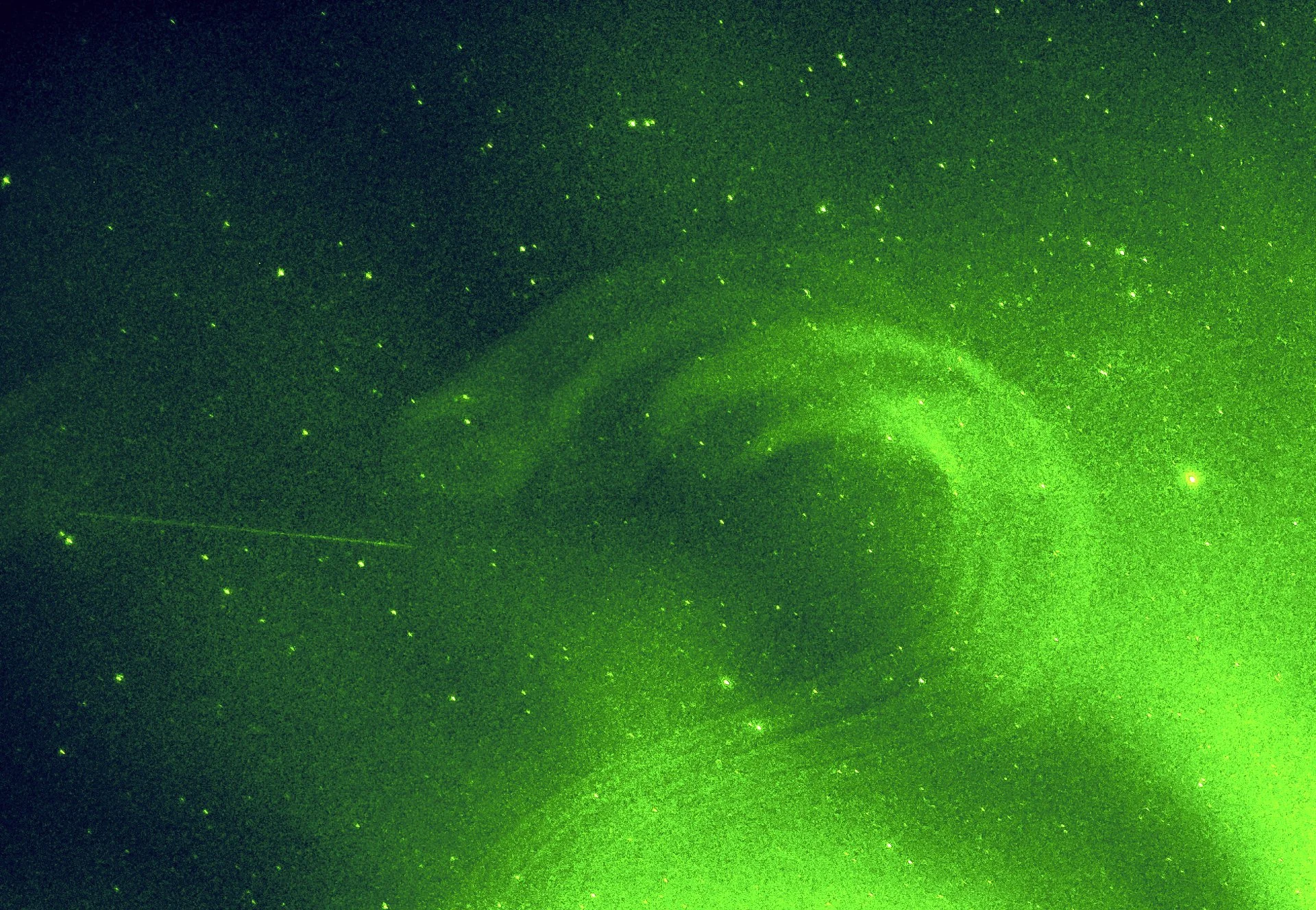
Interactive Northern Lights Experience
Self-Initiated Concept / Creative Direction / Interactive Experience / R&D
THOUGHT TRIGGER
What if the Northern Lights could respond to you?
Imagine moving your hands and watching the Aurora follow. Or making a sound and seeing the sky react. A moment where you're no longer simply watching, but becoming part of the experience.
Having lived in the Canadian Arctic, I've developed a real appreciation for the North and its extraordinary natural environment. I wanted to explore how technology could bring a small part of that experience to people anywhere in the world.
That's where this idea began.
CONCEPT
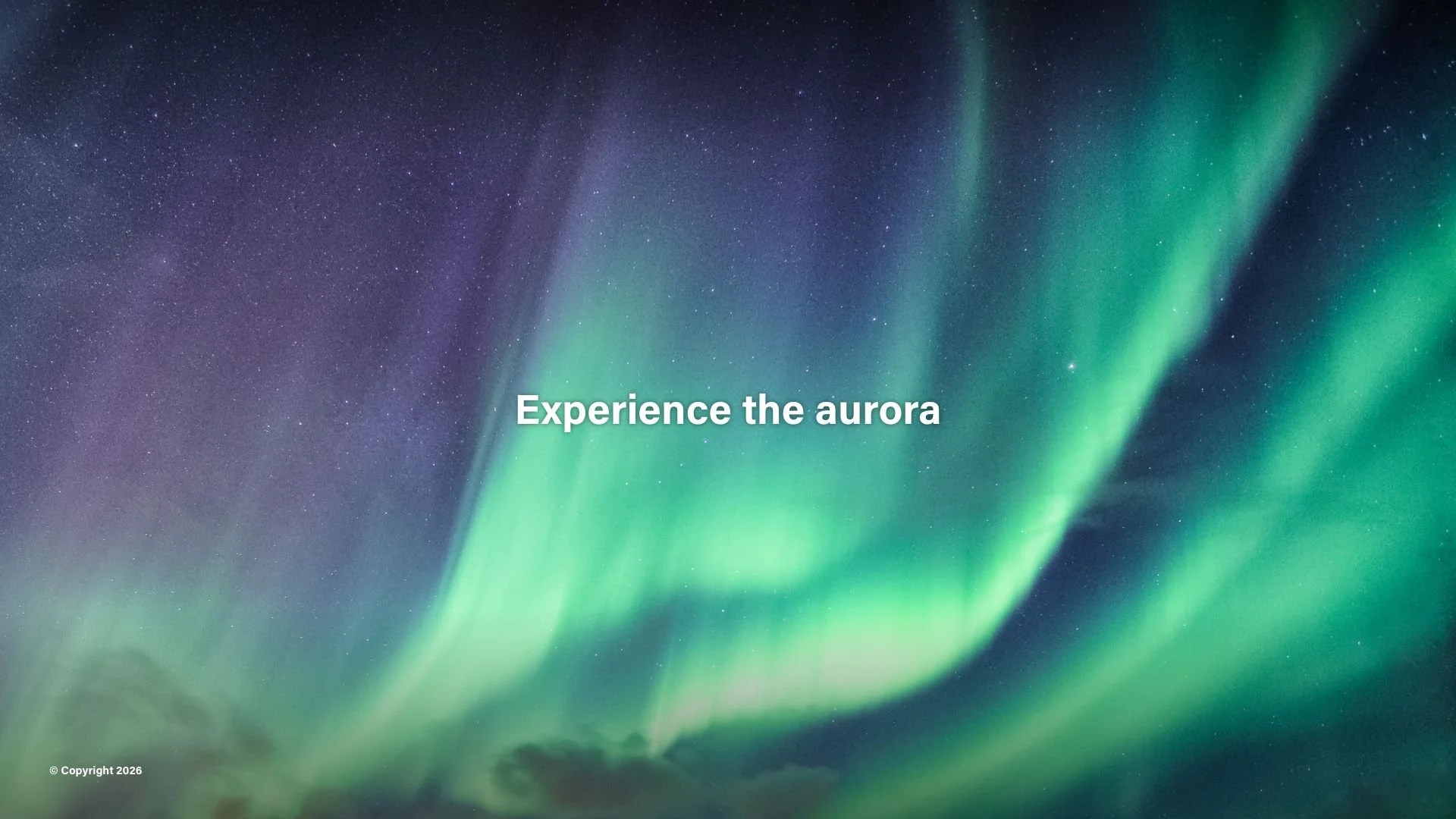
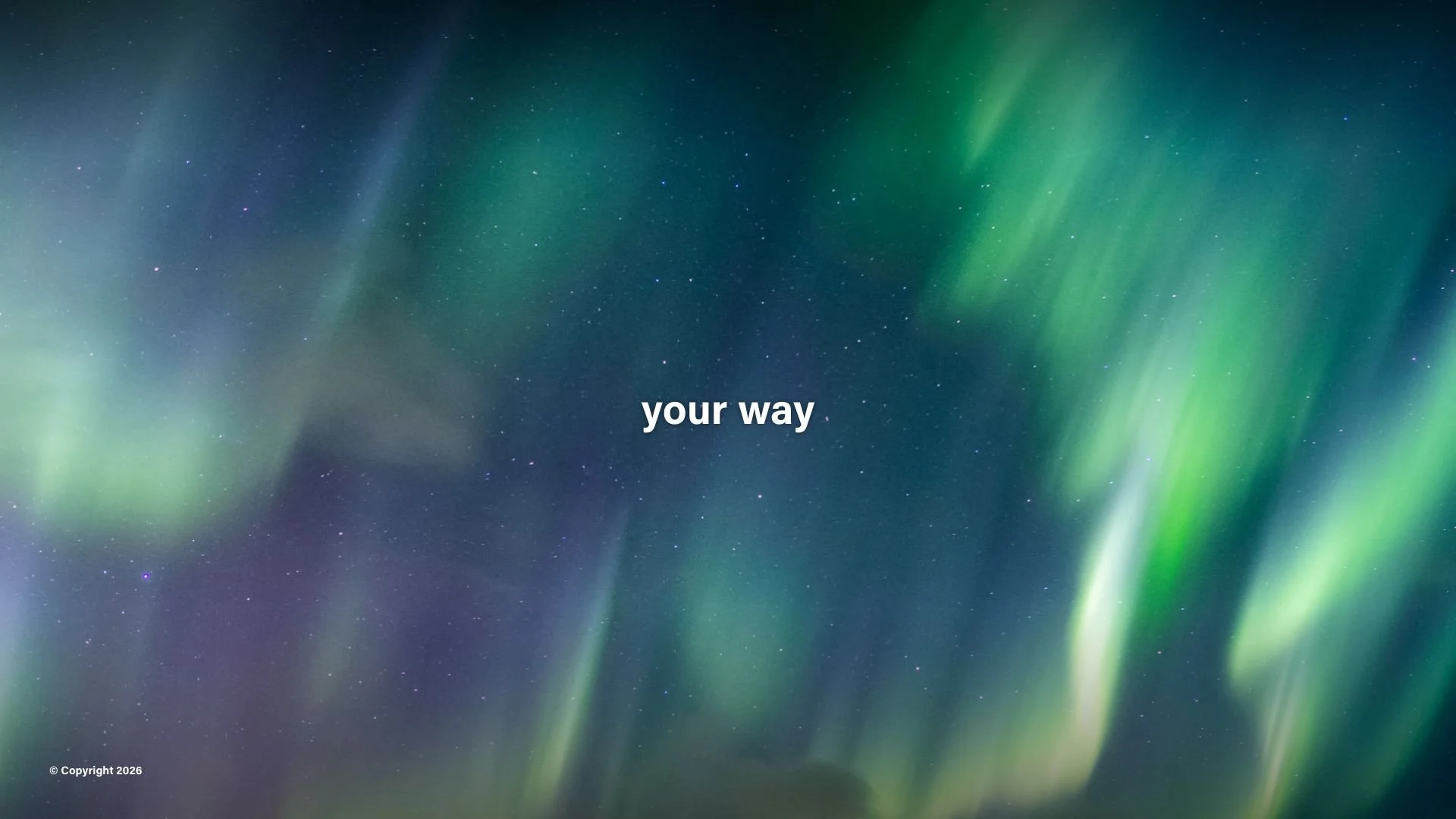
Experience the Aurora, Your Way
An interactive digital experience that invites people to engage with a simulated Aurora through movement, sound and storytelling.
The concept is simple: instead of passively watching the Northern Lights on a screen, what if you could influence how they move?
Using browser-based technology, the experience would respond to gestures and audio input, giving users a more personal encounter with the Aurora.
The wider opportunity is to use the experience as a starting point for discovering Northern Canada, its landscapes and the people who call it home.
THE EXPERIENCE
Four ways to explore:
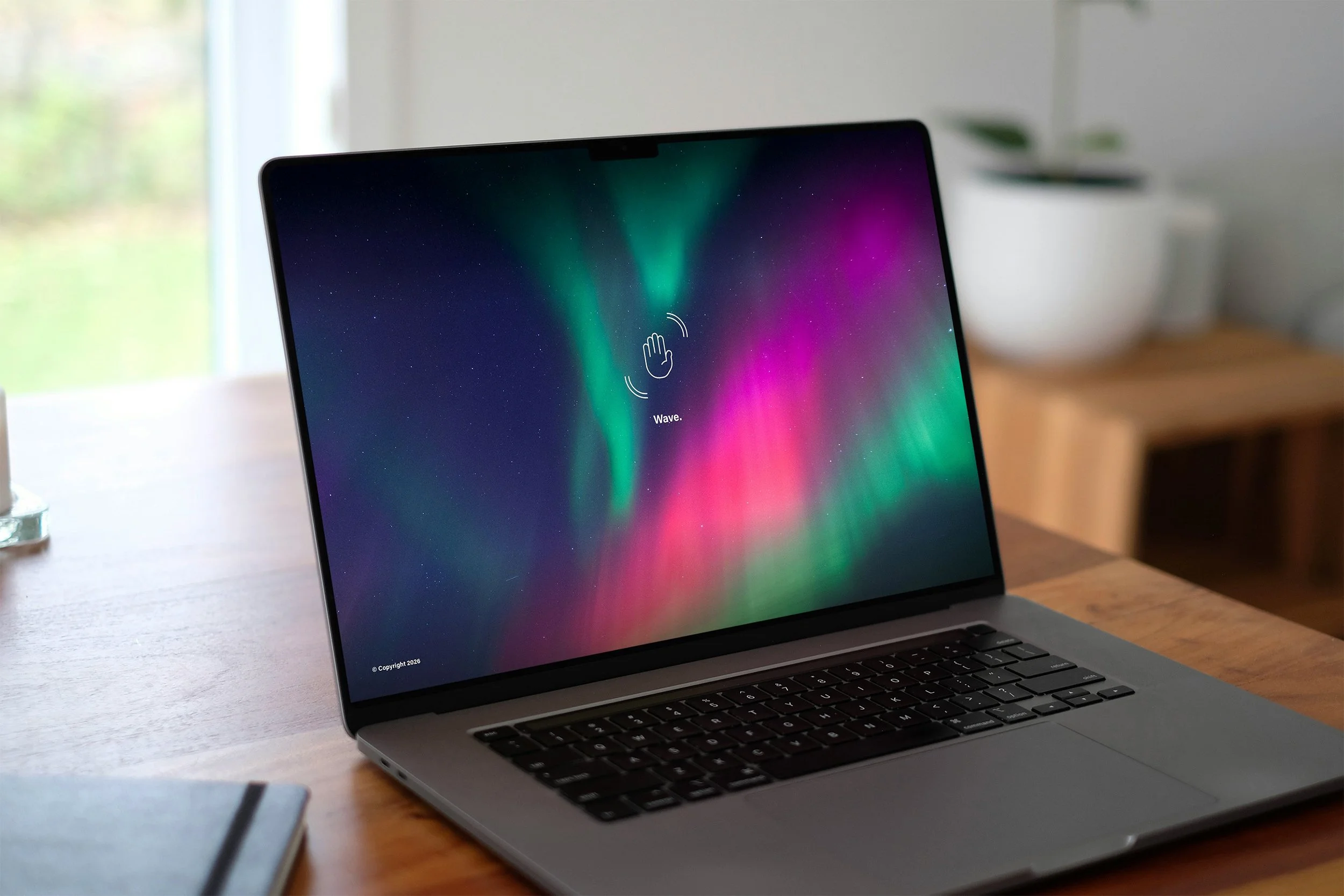
01. Move
Using a webcam, visitors could influence the movement of the Aurora with their hands. Simple gestures would create ripples and shifts in the light, offering a sense of direct interaction.
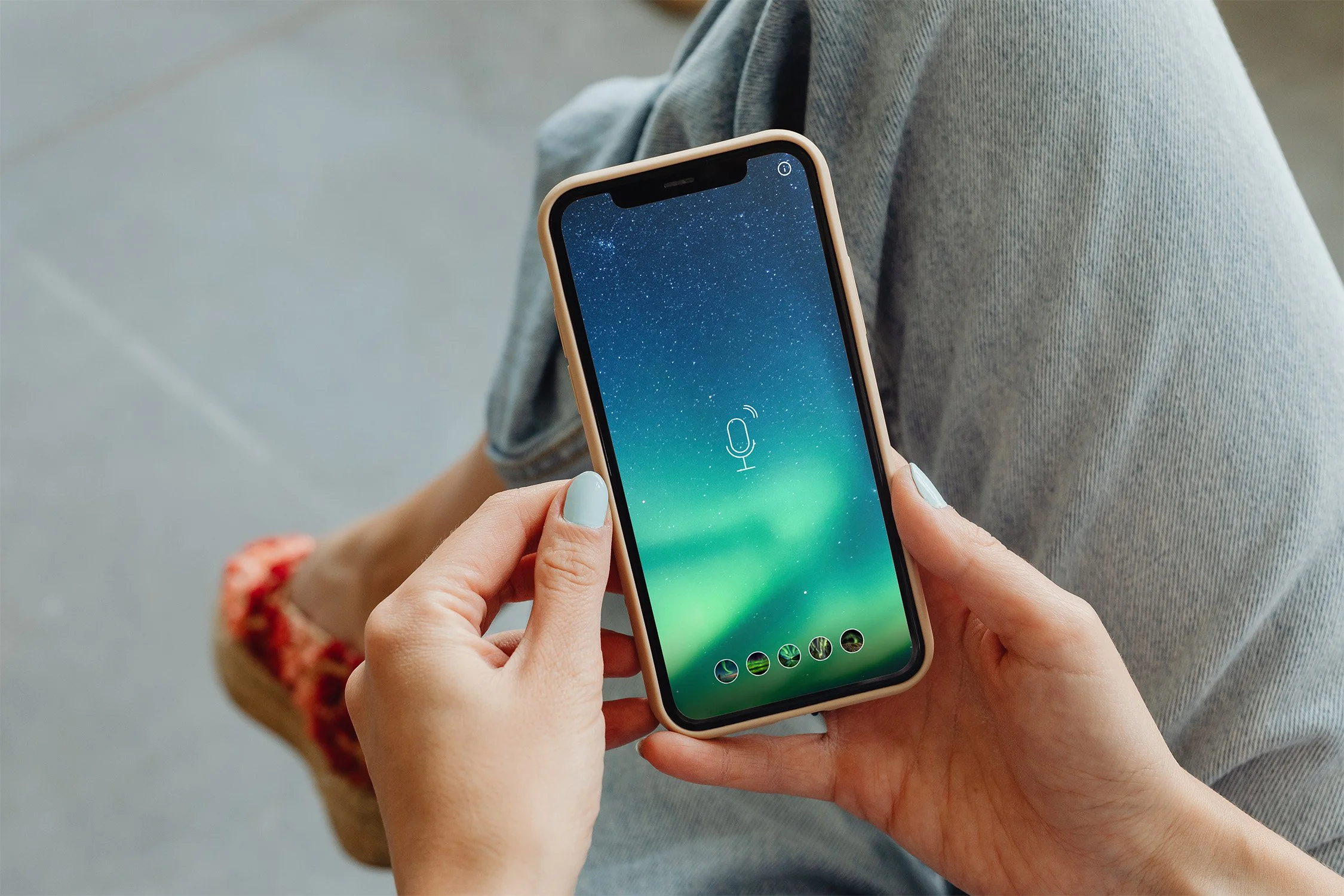
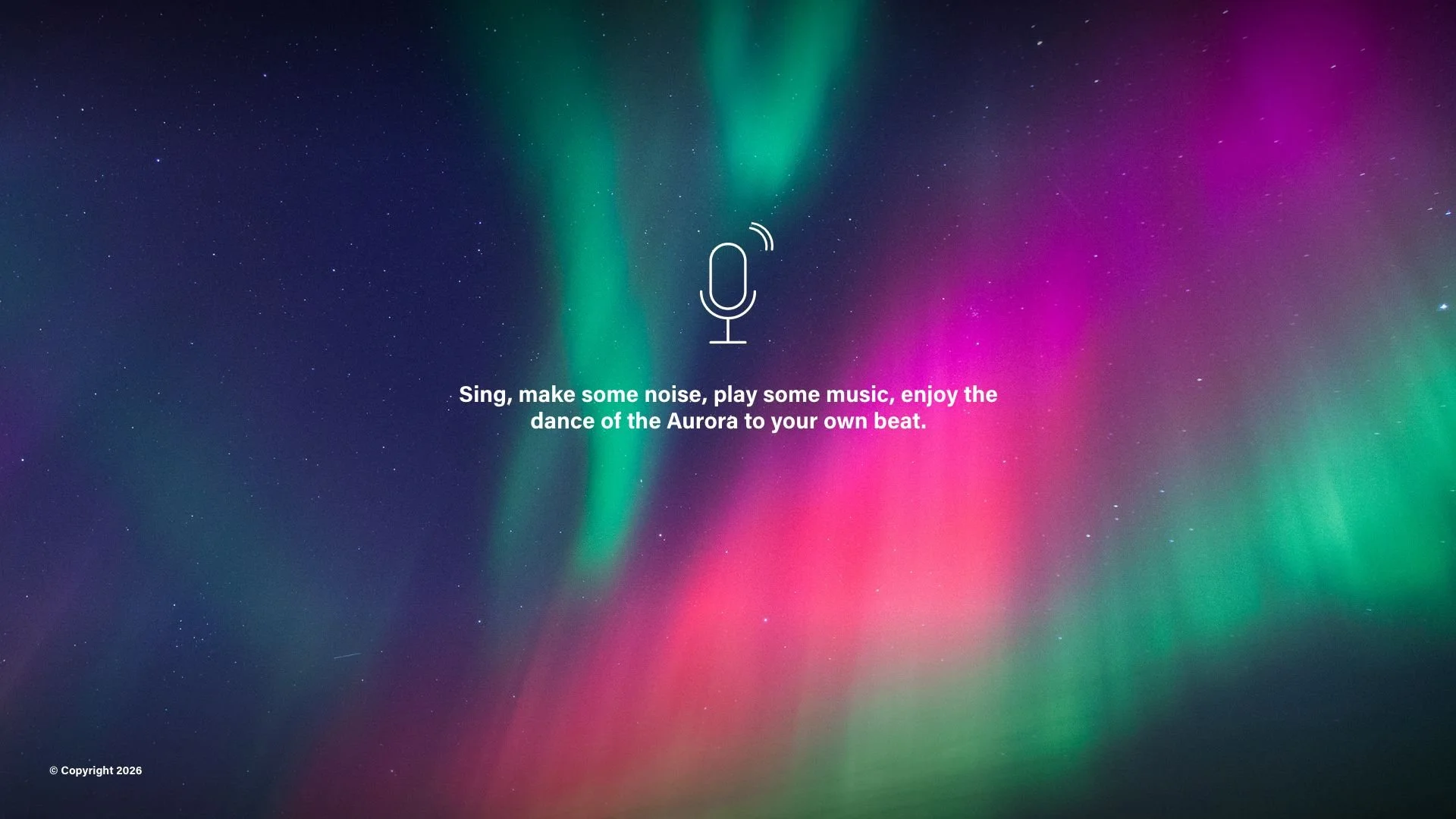
02. Make Some Noise
Using microphone input, sounds such as clapping, singing or playing music would influence the Aurora's movement and intensity.
The idea is to create a responsive experience where the light appears to dance to your own rhythm.
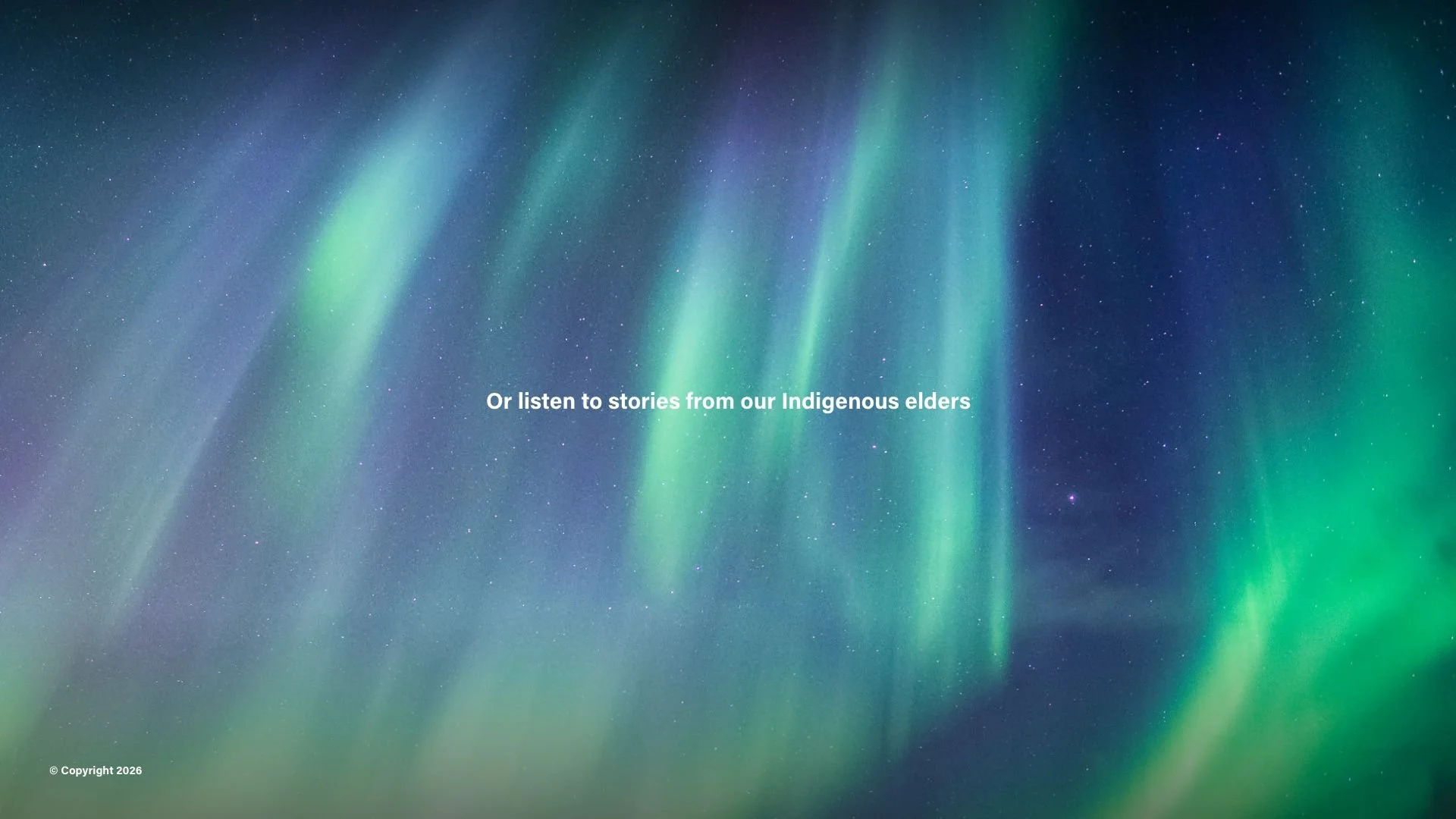
03. Listen
An opportunity to explore the relationship between the Aurora and the stories of Indigenous communities across the North.
If developed, this part of the experience would need to be created in partnership with Indigenous storytellers, with their guidance and consent. The concept proposes an audiovisual experience where the Aurora responds to the rhythm of a narrated story.
The stories, their interpretation and how they are presented would be determined with the participating communities.
04. Simply Watch
Not everyone will want to interact.
A passive viewing mode would allow visitors to enjoy the Aurora with subtle ambient audio, creating a calm, atmospheric experience without requiring camera or microphone access.
VISUAL & INTERACTION DIRECTION
The Aurora should remain the focus.
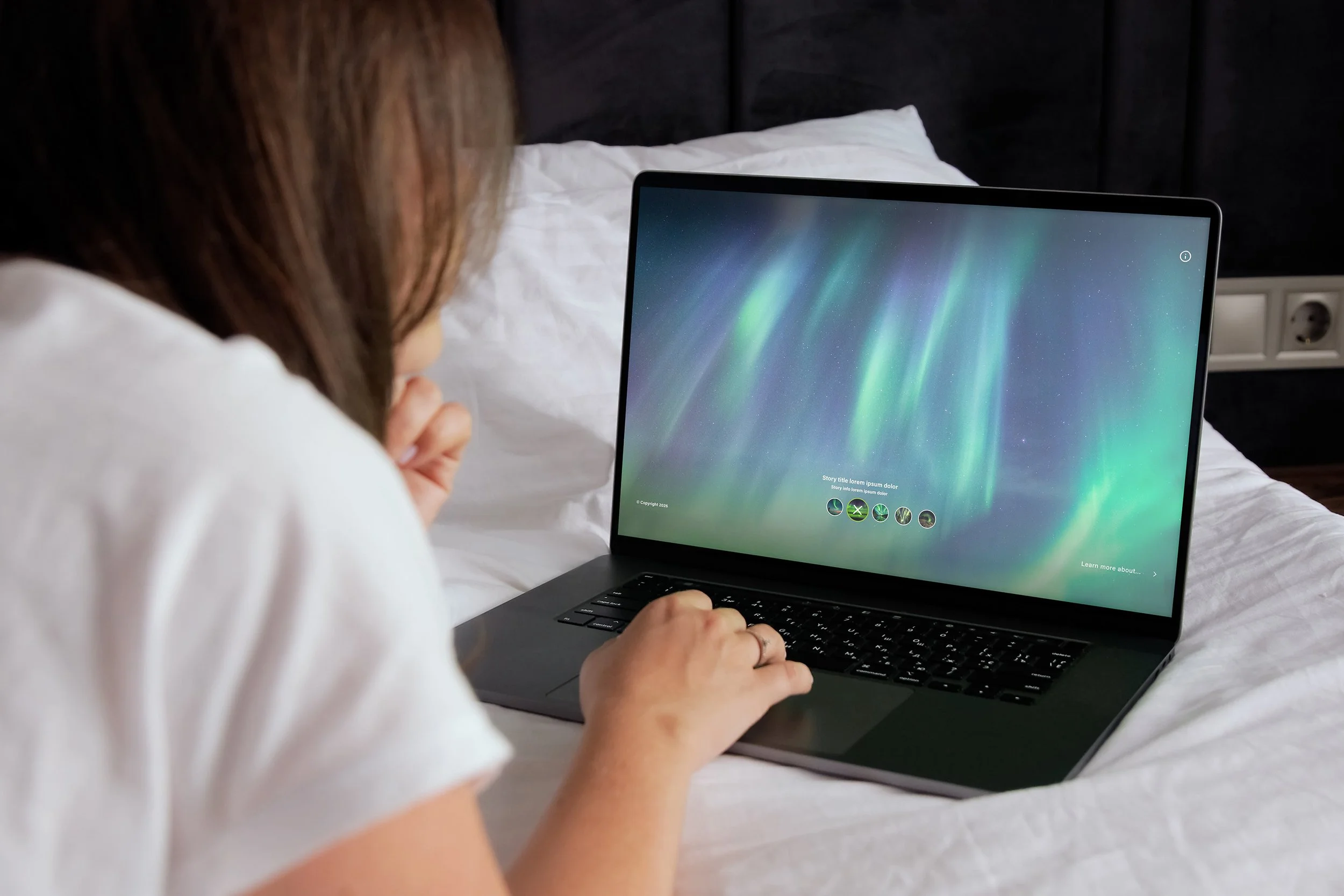
The interface would be minimal and unobtrusive, allowing colour, movement and sound to carry most of the experience.
Interactions should feel natural rather than technical, with clear instructions and simple controls.
Accessibility is also an important consideration. The experience would need alternatives to webcam and microphone interaction, along with options to reduce motion, control sound and navigate using touch or keyboard input.
ENHANCING THE EXPERIENCE WITH SOUND
Sound would play an important role in creating atmosphere.
A subtle ambient soundtrack could complement the Aurora's movement without competing with the visuals. It would also provide continuity when transitioning between passive viewing, audio interaction and storytelling.
The aim is to create something people can actively explore or simply enjoy for a few quiet minutes.
BEYOND THE EXPERIENCE
The interactive Aurora could become the centrepiece of a wider digital campaign.
Social Media Teasers
Short videos showing the Aurora reacting to hand gestures, voices and music, designed to spark curiosity and invite participation.
Shareable Interactions
An opportunity for visitors to record and share short clips of their Aurora experience, with clear controls over what is captured and shared.
Creative Partnerships
Potential collaborations with travel creators, digital artists and Indigenous creators to introduce the experience to different audiences.
From Screen to Destination
Subtle prompts could connect visitors to real-world experiences, including Northern Lights viewing opportunities, Indigenous-led tours and practical travel information.
The intention isn't to replace the experience of seeing the Aurora in person. It's to make people curious enough to want to go.
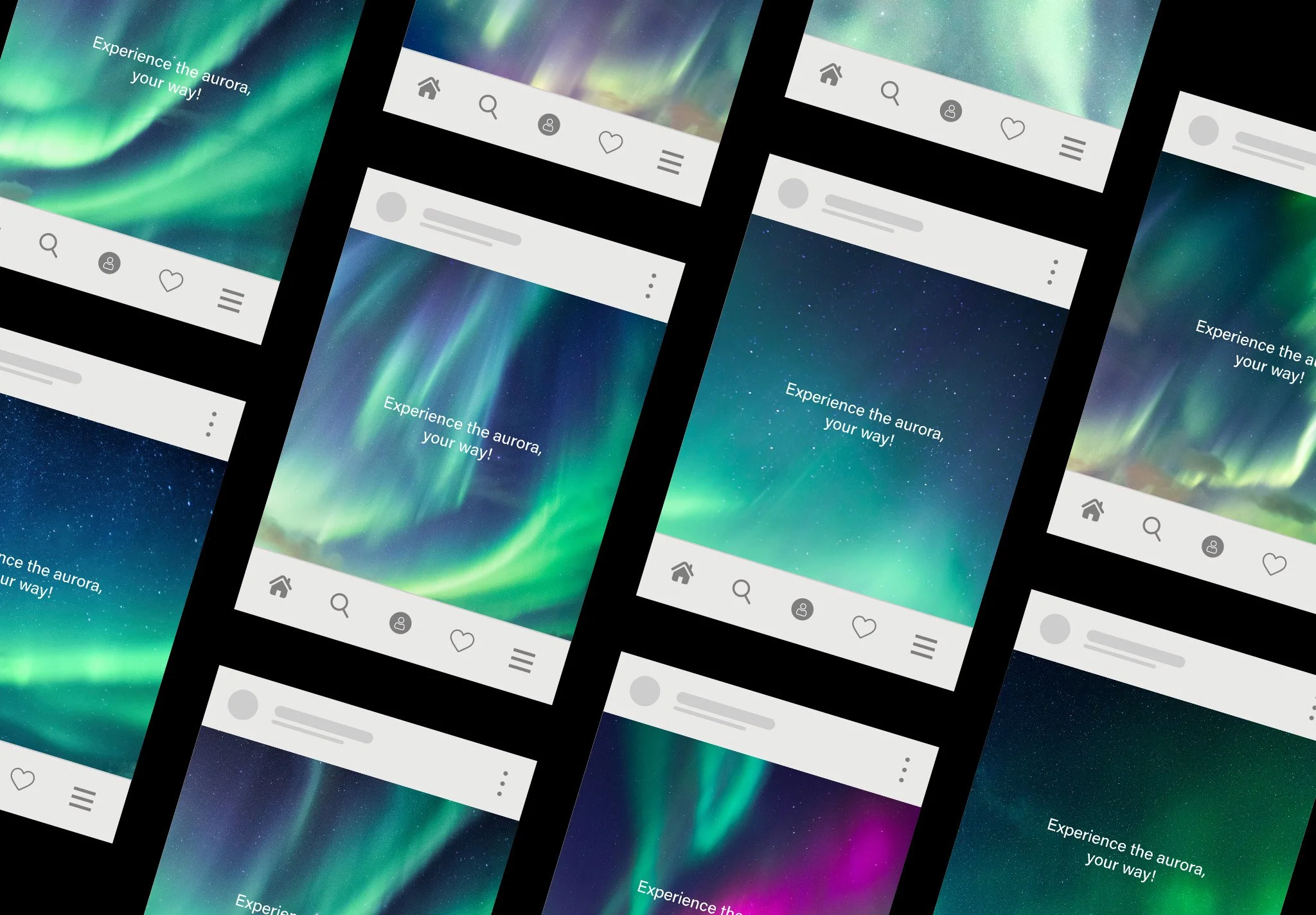
PROTOTYPE WALKTHROUGH
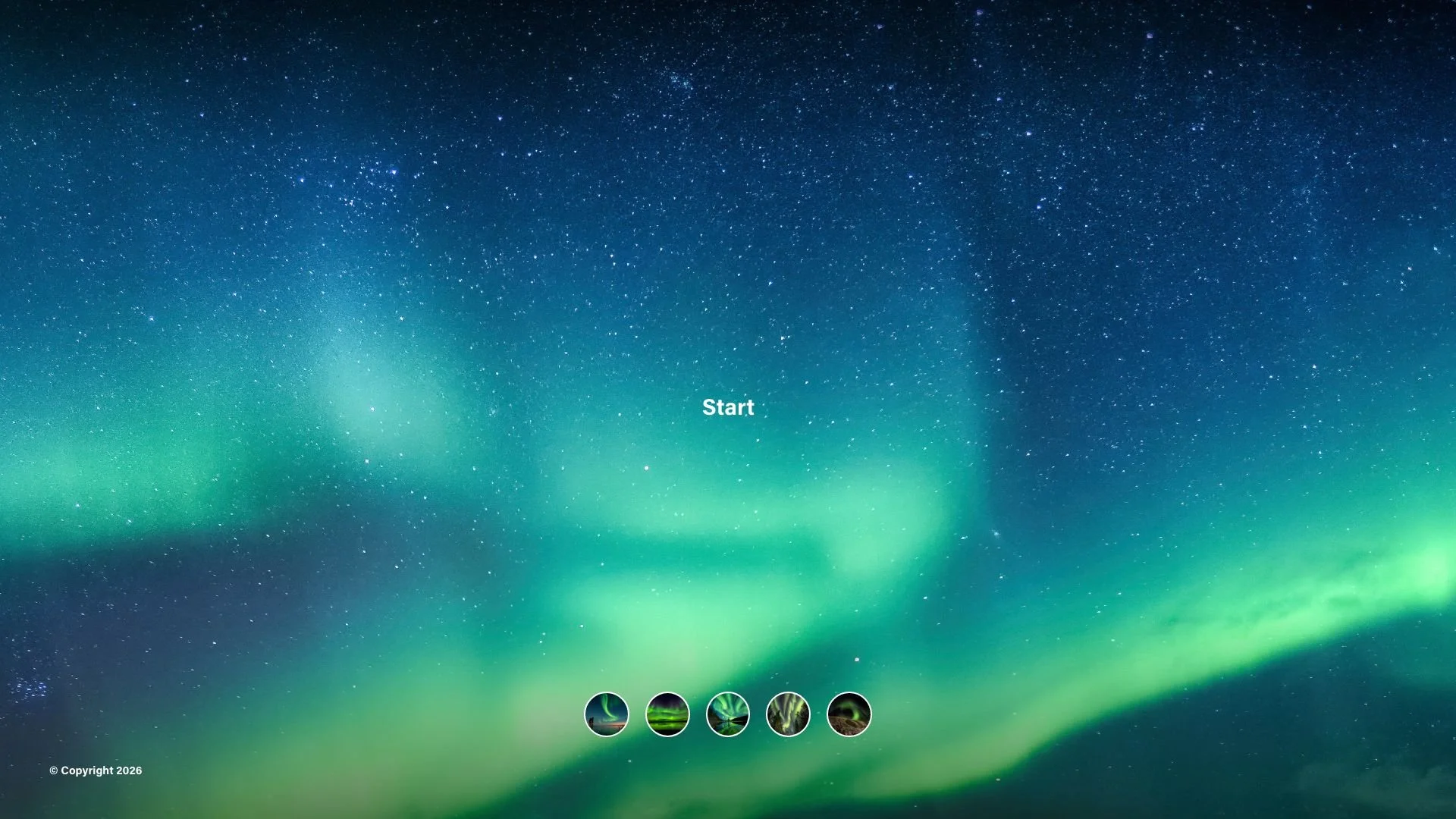
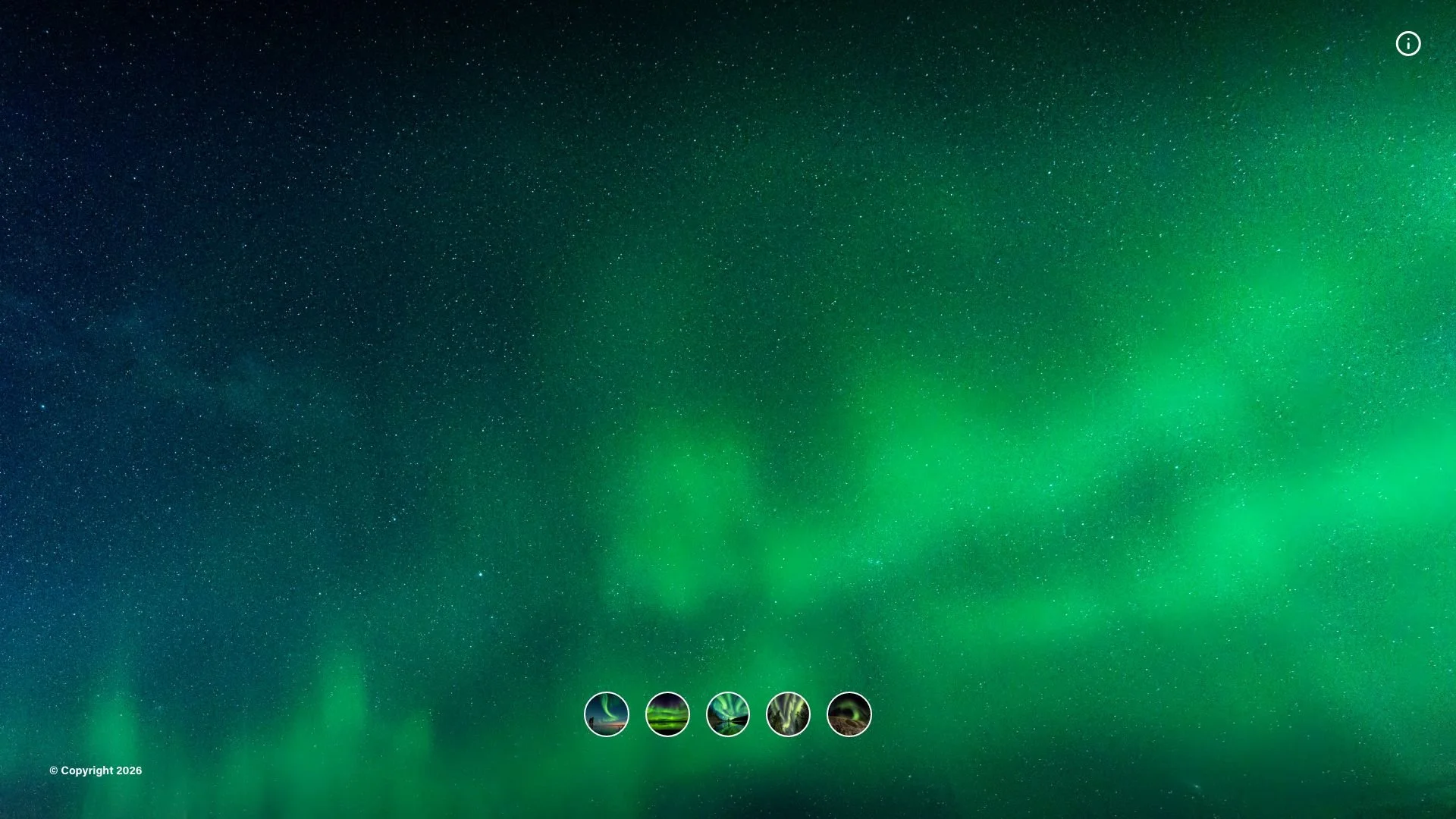
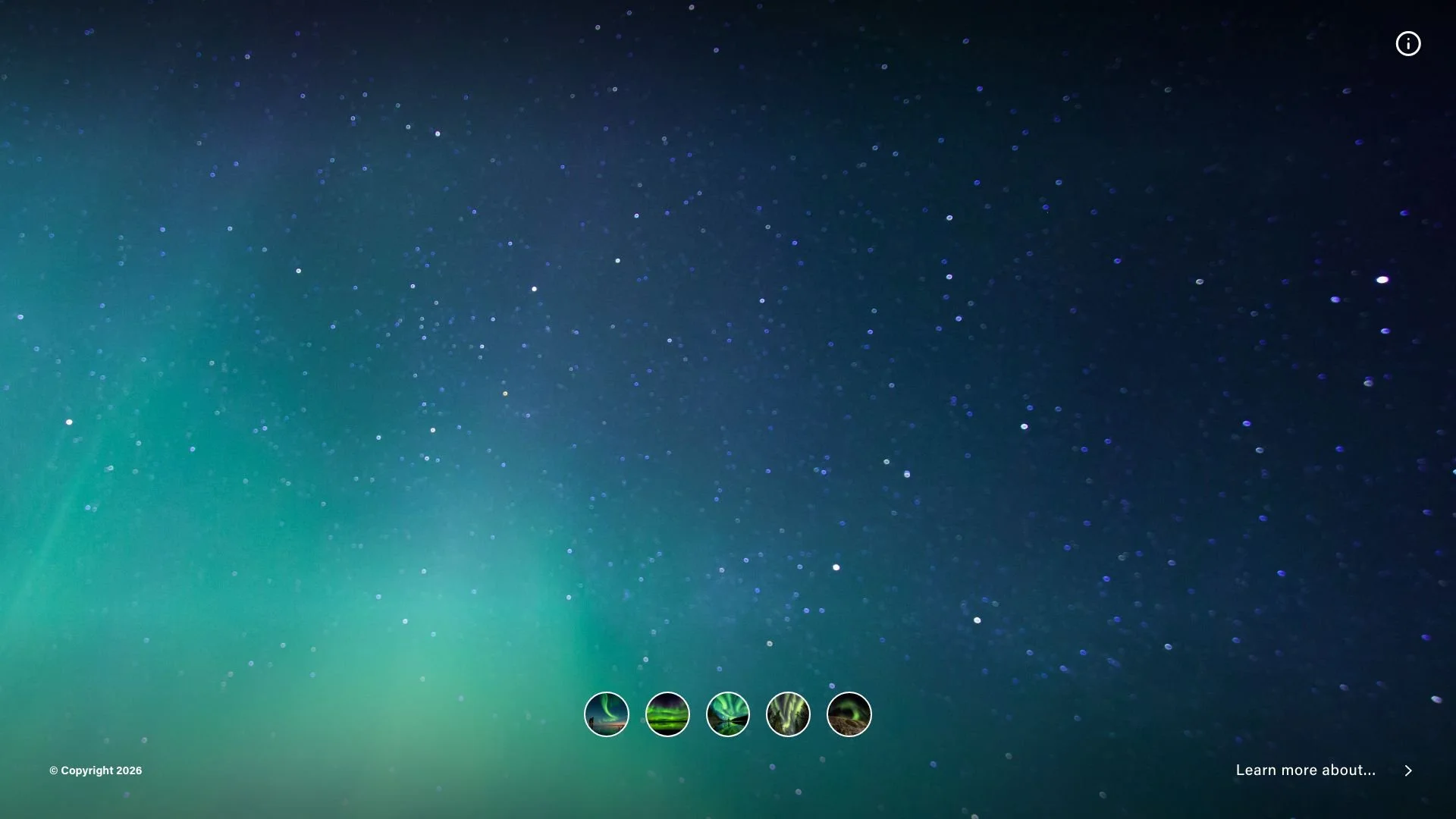
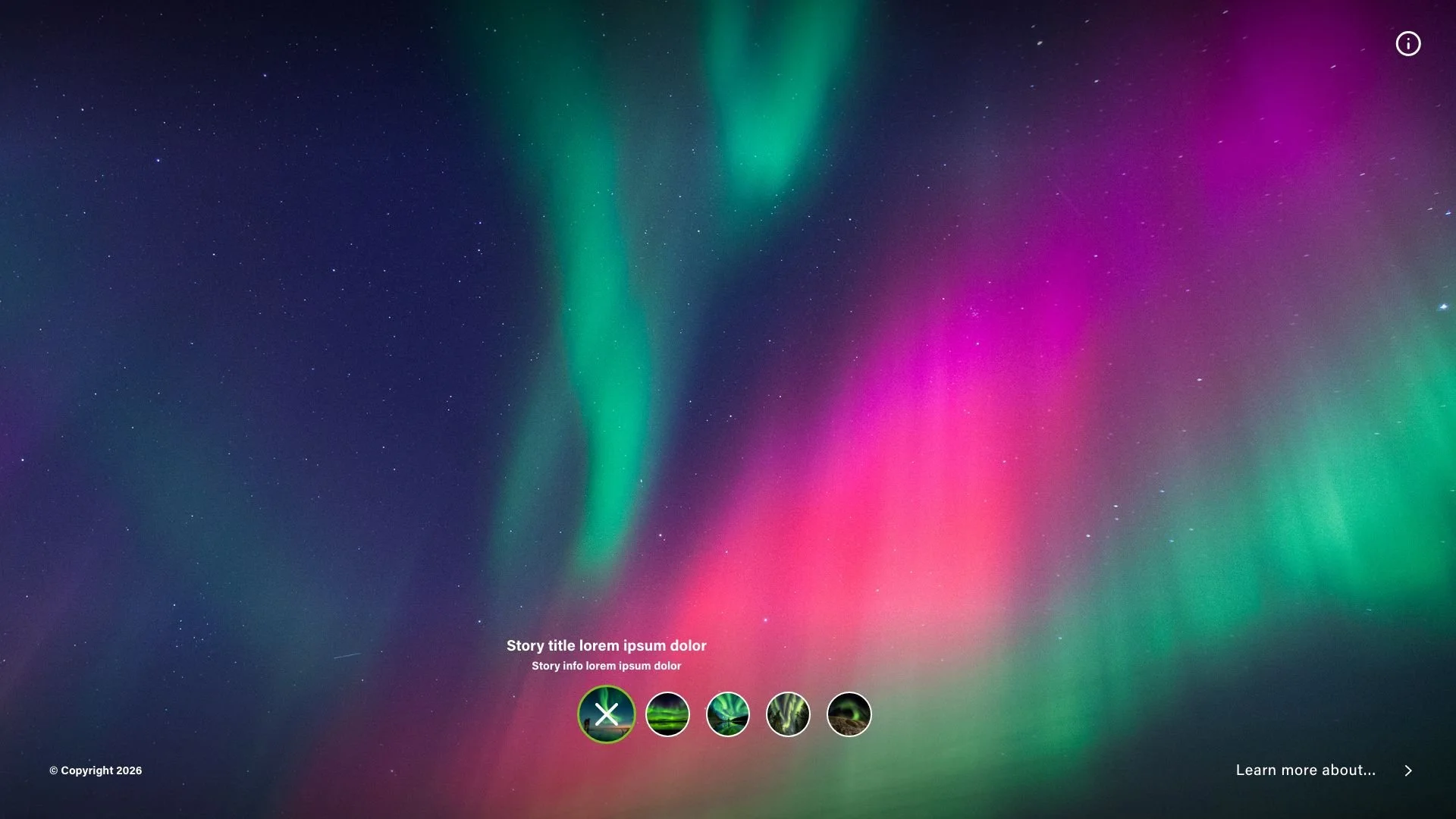
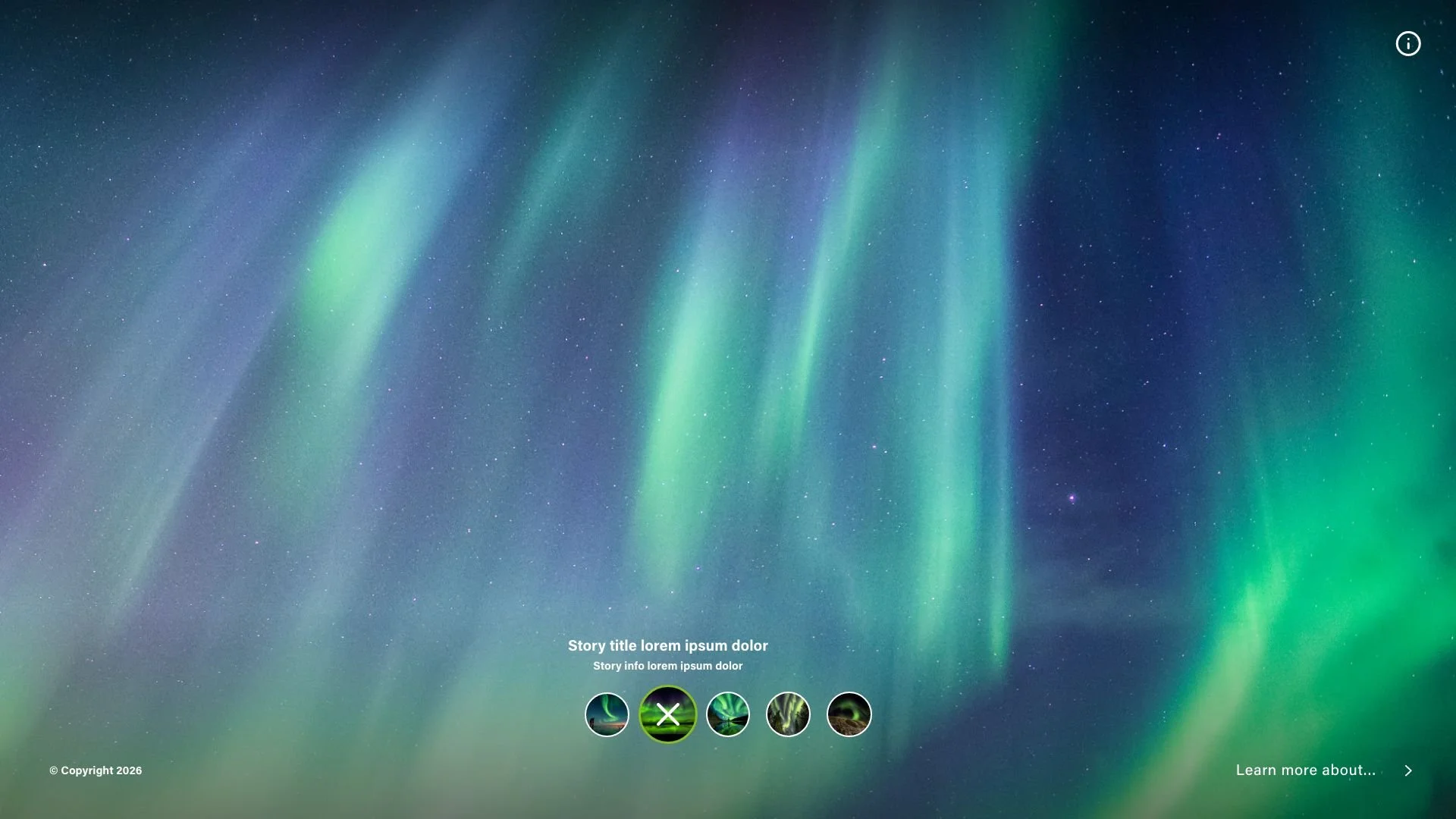
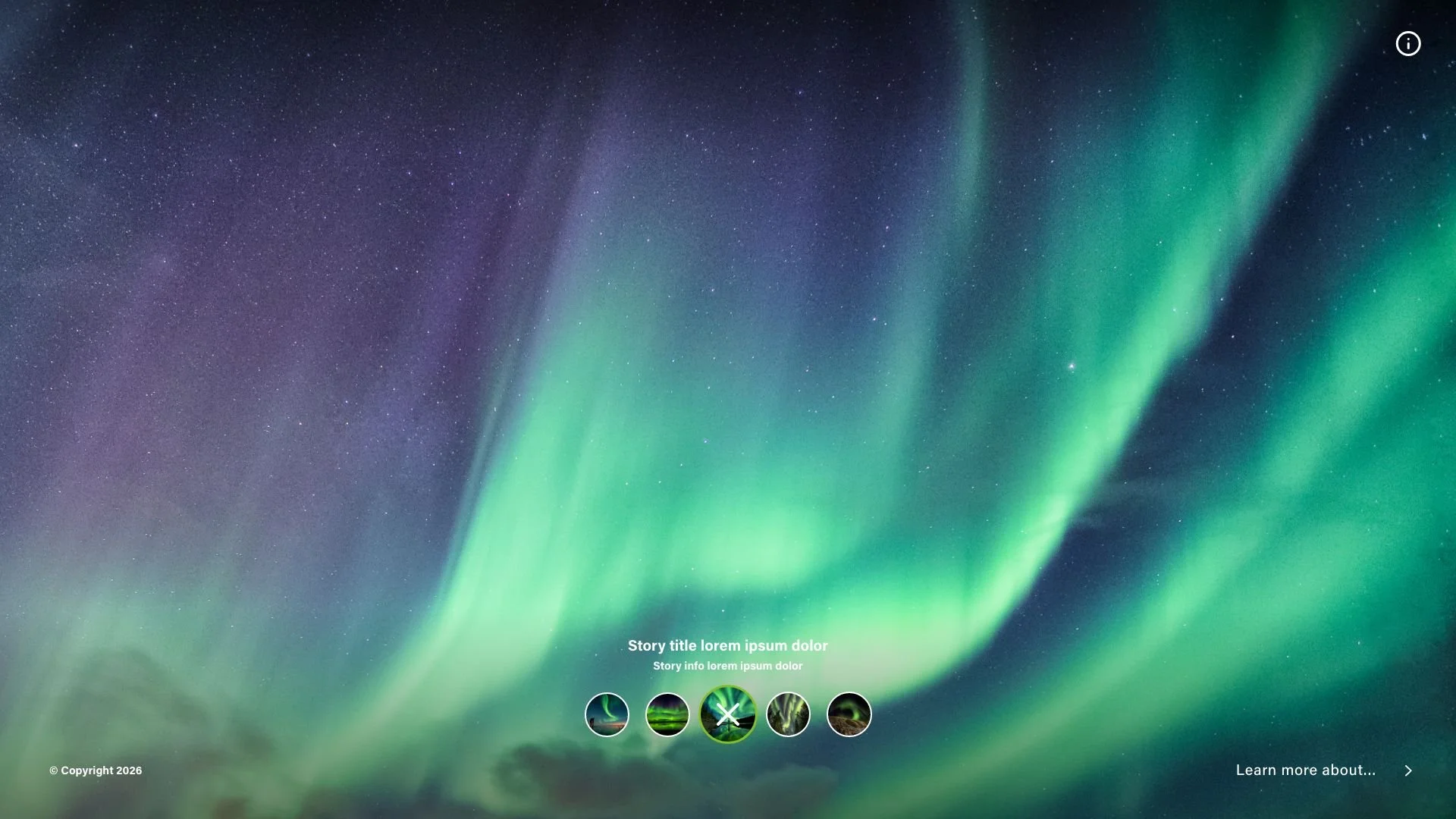
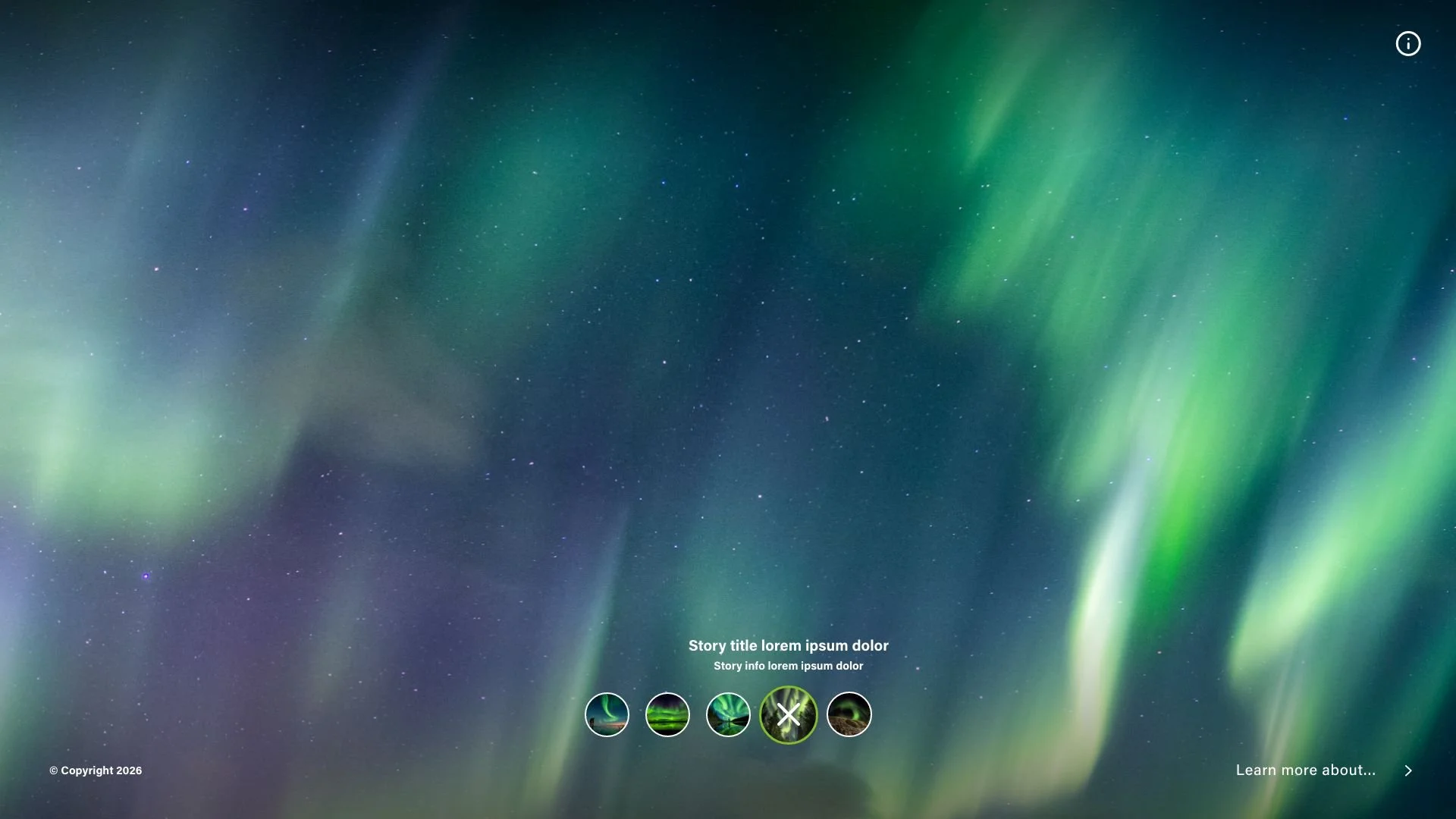
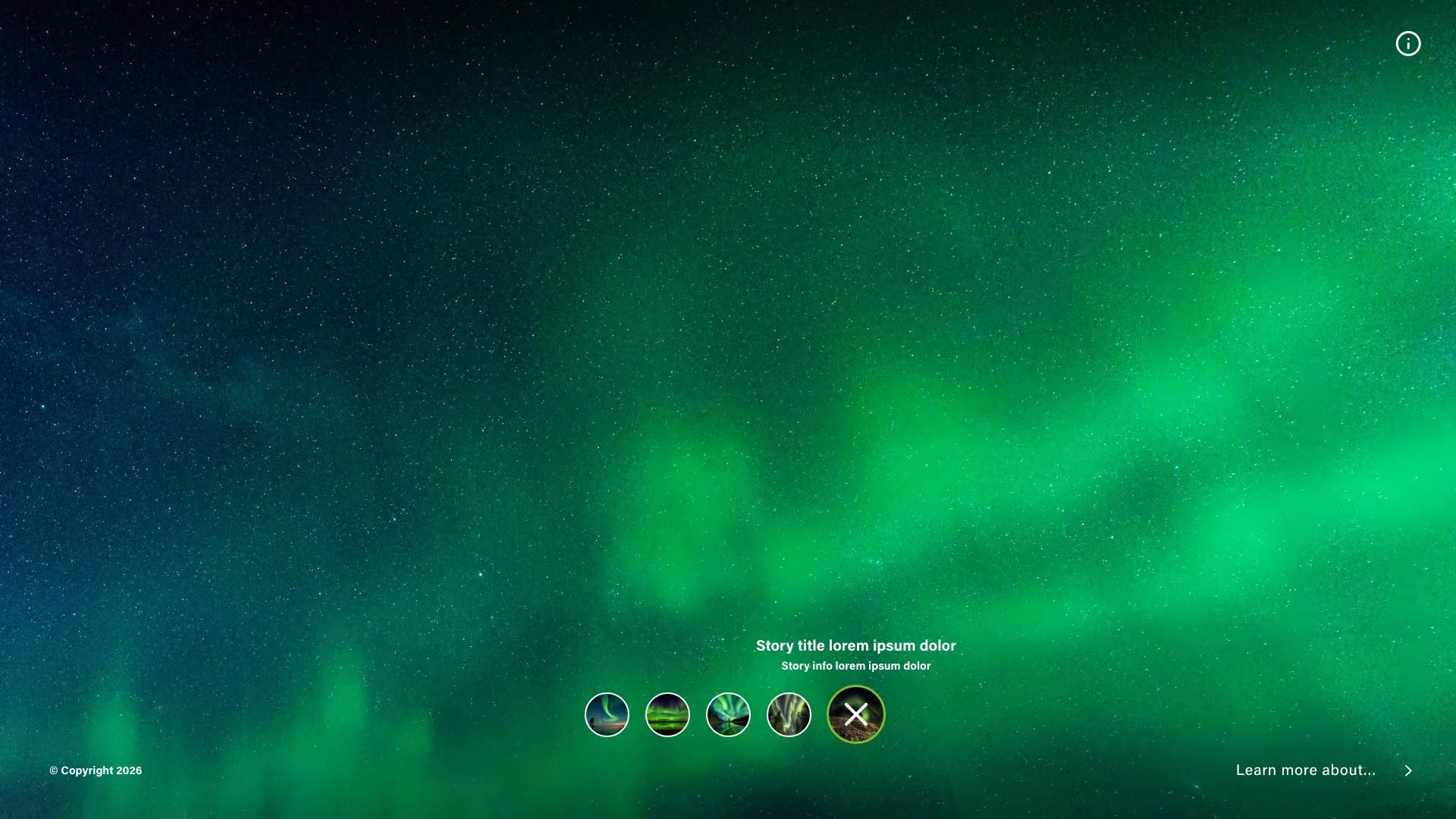
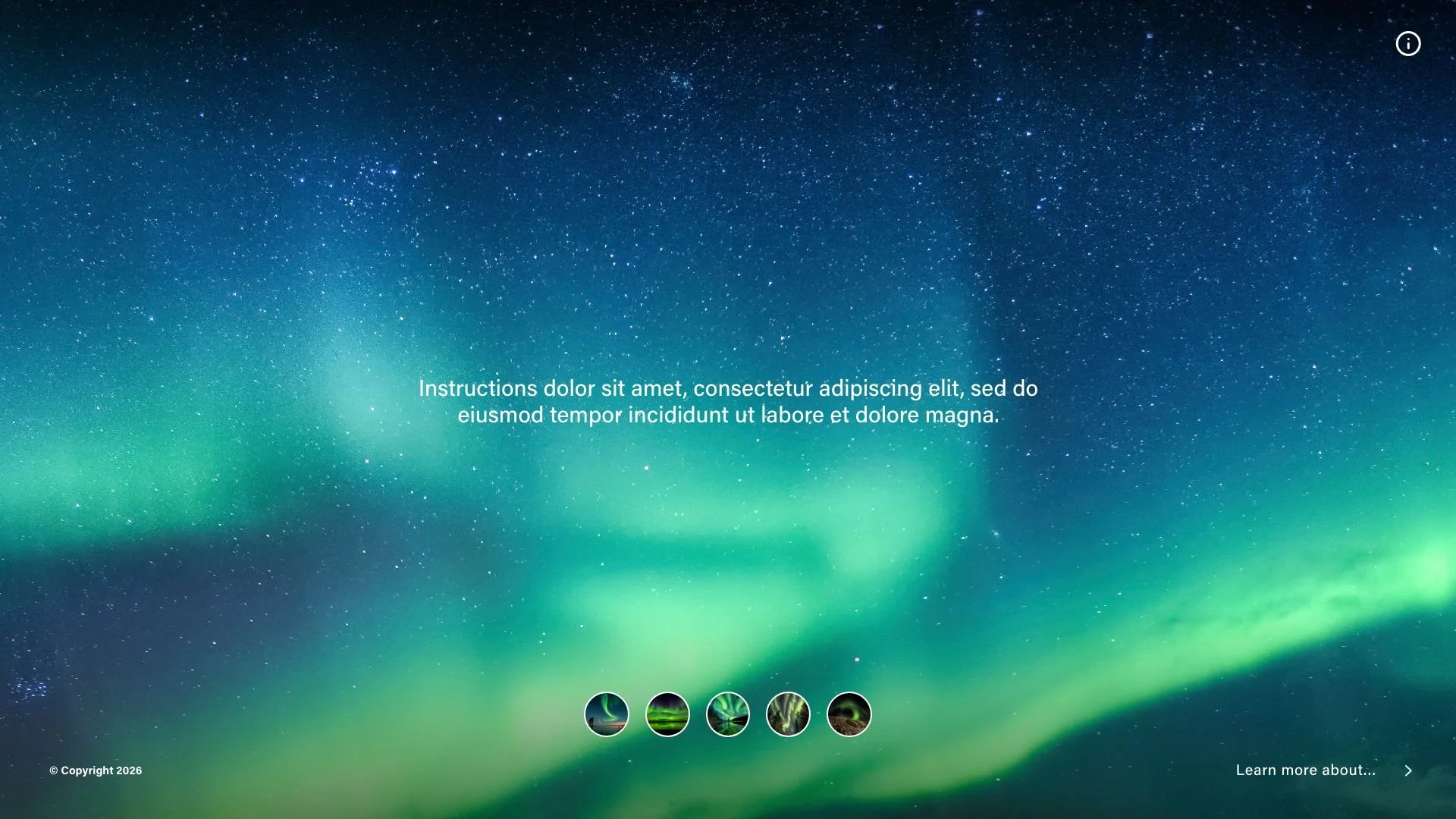
To explore the concept, I created a series of static screens illustrating the proposed visual direction and user journey.
These are early design explorations rather than a working interactive prototype.
The storyboard looks at how someone might move through the experience:
Discover: An atmospheric introduction invites visitors to explore the Aurora.
Choose: Visitors select how they'd like to interact, whether through movement, sound, storytelling or passive viewing.
Experience: The Aurora responds to the selected interaction, creating a more personal encounter.
Explore Further: Visitors are introduced to opportunities to learn more about the destination and experience the real Aurora.
The intention is to establish the creative direction and interaction model before moving into technical development.
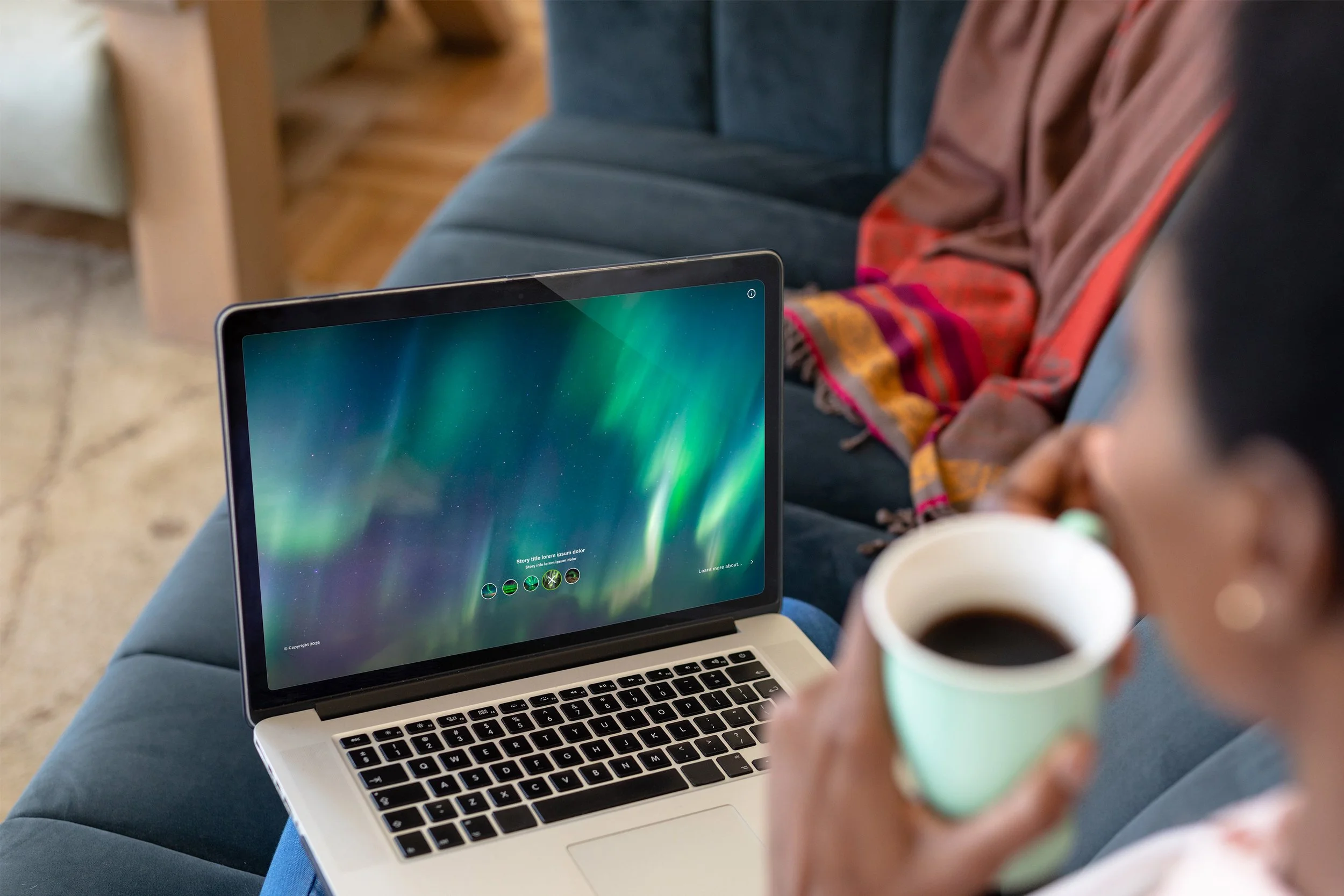
SCREENS
Static storyboard and interface explorations.
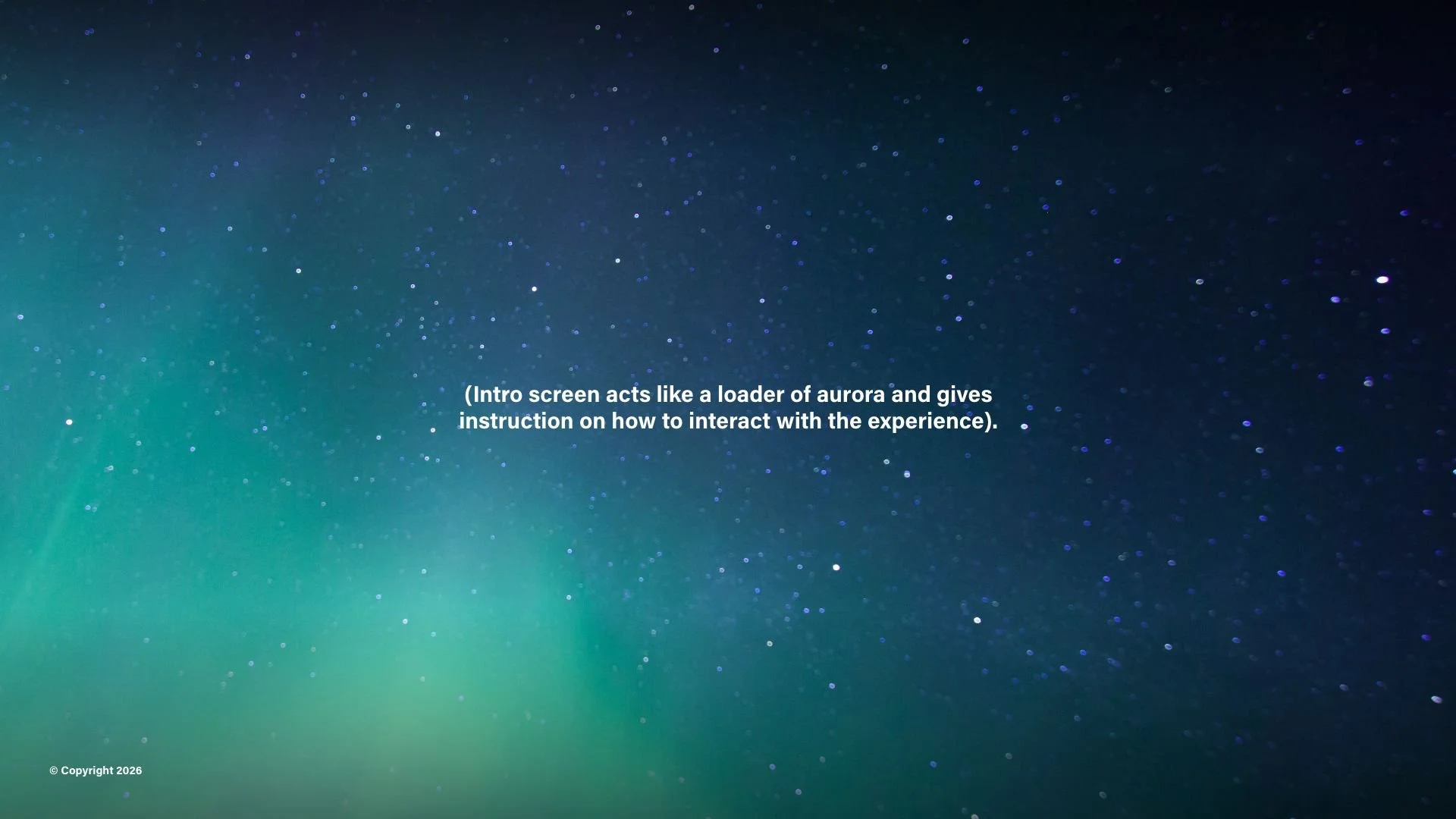
Screen 1
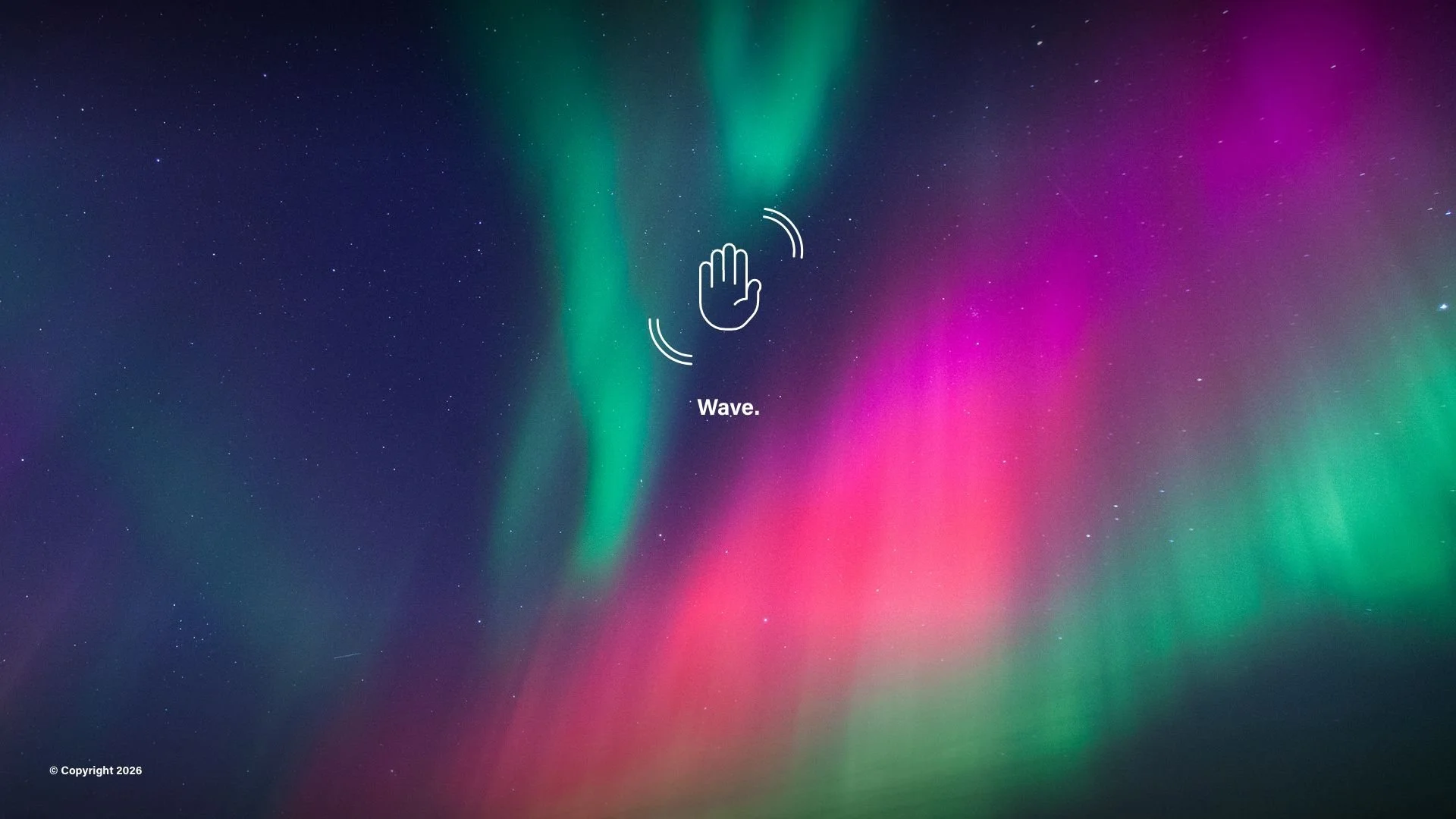
Screen 2
Screen 3
Screen 4
Screen 5
Screen 6
Screen 7
Screen 8
Screen 9
Screen 10
Screen 11
Screen 12
Screen 13
Screen 14
Screen 15
MEASURING SUCCESS
If developed as a destination-marketing campaign, success could be evaluated across several areas:
Engagement: How many visitors interact with the experience, how long they stay and which interaction modes they use.
Participation: How often visitors explore different features or share their experiences.
Destination Interest: How many visitors continue to tourism resources, local experiences or trip-planning information.
User Feedback: Whether the experience is engaging, intuitive and meaningful to its intended audience.
DEVELOPMENT CONSIDERATIONS
The next step would be to move from static concept to working proof of concept.
This would involve testing webcam-based gestures, real-time audio interaction, visual performance and responsive behaviour across devices.
I'd also want to explore the accessibility implications, user permissions and privacy considerations involved in using cameras and microphones.
Any cultural storytelling would require an appropriate collaborative process with Indigenous partners before content development.
The purpose of this stage would be to understand what's technically achievable, what creates the strongest experience and which elements genuinely add value.
CLOSING THOUGHT
The most interesting part of this idea isn't necessarily making the lights move.
It's the possibility that a digital interaction could create enough curiosity and connection to inspire someone to experience the real thing.
A small experiment in how technology, storytelling and destination marketing might come together in a different way.